(540) 318-5577 [email protected]

Red Apple Pediatric Dental Team

Stafford, VA Dentistry for Kids

  • Services
    • Pediatric Dentistry
    • Teen Dentistry
    • Digital X-Rays
    • Emergency Dentistry
    • IV and Non-IV Sedation
  • About Us
    • Meet Dr. Payam
    • Meet Our Staff
    • Our Office
    • Reviews
  • Resources
    • How to Brush Your Teeth
    • How to Floss
    • Age 1 Dental Visit
    • Tooth Tips for Tots
    • What are Dental Sealants?
    • Preventing Cavities in Kids
    • Teething
    • Athletic Mouth Guards
  • New Patients
    • Record Release Form
    • New Patient Paperwork
    • Participating Insurance
    • FAQ’s
  • Pay Your Bill
  • Blog
  • Schedule

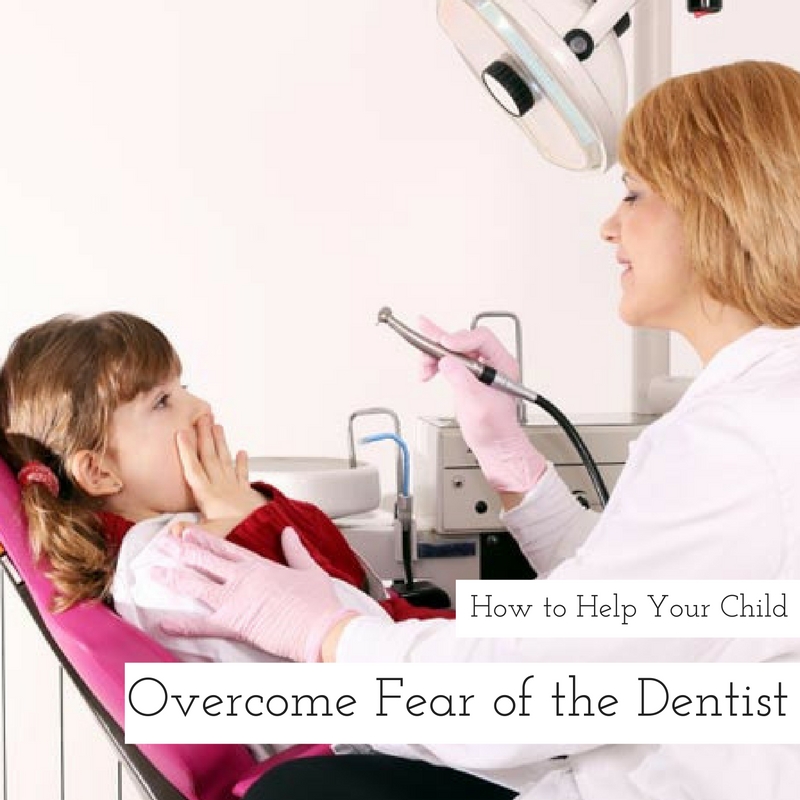
How to Help Your Child Overcome Fear of the Dentist

How can you help your child overcome their fear of the dentist?
fear of the dentist

It’s natural for people to fear the unknown, especially children. Going to the dentist can be overwhelming for a child. There’s a large and unusual chair, lots of scary equipment that make noises and they put objects into your mouth. But dental hygiene plays a tremendous role in the health of your child’s life and you’ll want to get them on a good path at a young age. Here are some things that you can do to help overcome their fear of the dentist and reinforce positive dental experiences.

Tooth De-Play

Children enjoy games and make believe. Playing a dentist game can be a wonderful ice-breaker before an appointment. Use a recliner or couch to take turns laying back on and undergo procedures like counting teeth and give smile ratings. If your “play dentist” games are fun, your child will have a positive sense about a real visit. There are also fun dental games on the market they can play by themselves or with friends and siblings that include Play-Doh Dr. Drill & Frill and Barbie Careers Dentist Play sets.

Fear Factor

Children pick up on the vibes that adults give off. If you or someone in your circle has a fear of the dentists, kids may pick up on it. Avoid things like telling “war stories” about root canal of cavities that needed to be drilled and filled. That type of talk is like turning on an R-rated horror flick. Keep it positive and talk about the benefits of having healthy, strong teeth.

Early and Often

By starting your children off with early and regularly scheduled dental appointments they will grow accustomed to going. Long gaps between checkups tend to let the fear of the unknown creep into their imaginations. Keeping an appointment before the age of 1 or when the first tooth pops through is an excellent and positive initial step. Children take a certain pride about getting “big” like adults and that first tooth matters. Double dip by making it a good dental experience as well.

Rewards not Bribes

There’s a major difference between giving a child something to perform a task and rewarding them afterward. When you bribe a child to go to the dentist, the underlying idea is that the dentist is a negative and parents need to overcome that with a gift. On the other hand, a reward for being “big” and handling the visit well can be a source of pride for the child. In other words, they got a reward for their excellent behavior, not for overcoming a bad situation. The line is fine, but it’s there.

By taking subtle, positive steps to ensure that your child has good dental experiences, you’ll be setting them on a healthy course. Finding ways to be a good role model and talking about the importance of dental hygiene can make a difference that will last a lifetime.
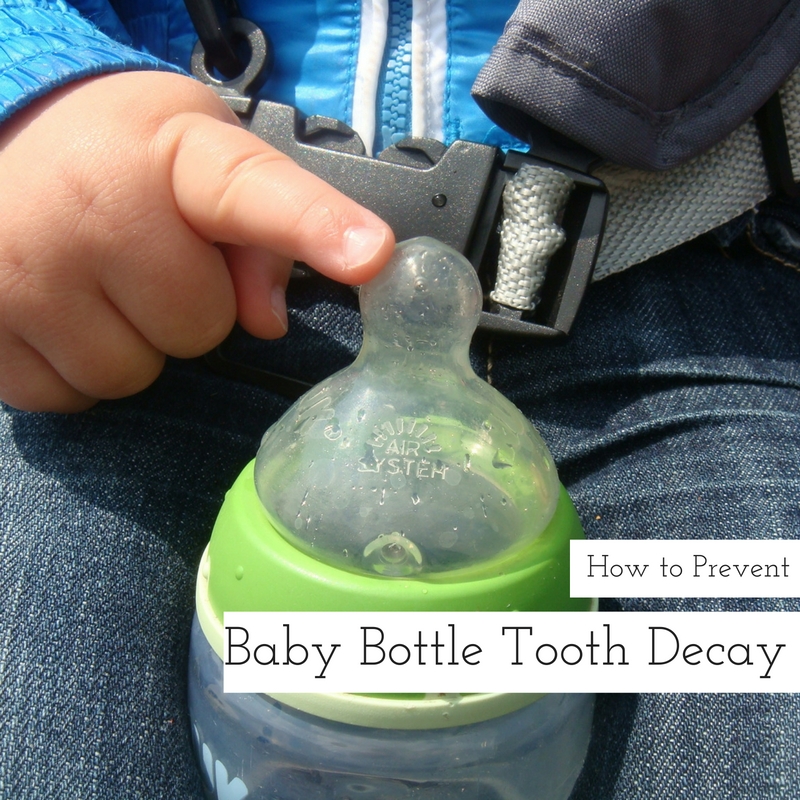


How to Prevent Baby Bottle Tooth Decay

How can you help prevent baby bottle tooth decay in your child?

baby bottle tooth decay

Although baby teeth are not permanent, it is incredibly important that they stay healthy until they fall out to make room for adult teeth. Cavities in toddlers and infants are known as Baby Bottle Tooth Decay. These cavities can prevent children from having strong teeth to chew their food with, and can also cause tooth pain or sensitivity.

What Causes Baby Bottle Tooth Decay

Baby Bottle Tooth Decay is most common in a child’s upper teeth, particularly in the front. However, it is possible in other places as well. These cavities can be caused by a number of things, most common of which is overexposure to sugary drinks. If a baby is usually put down for bed with a bottle in its mouth, or a bottle is commonly used to quiet a fussy baby, they are likely to get cavities in those front upper teeth, hence the name. Cavity-causing bacteria can also be passed from the mother to the baby through bacteria in the mother’s saliva. The bacteria slowly wear away at a baby’s teeth, causing decay in the long run.

Prevention

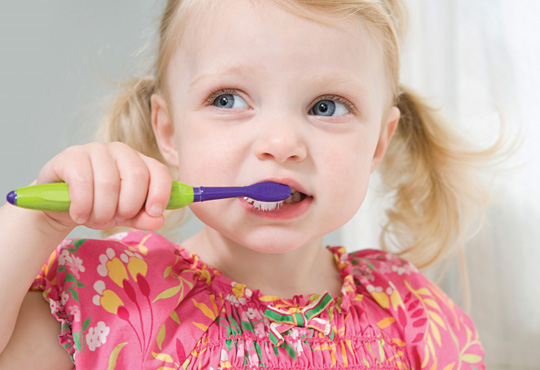
Thankfully, there are several ways to prevent your baby from having Baby Bottle Tooth Decay. First and foremost, it is vital to avoid passing bacteria to the baby. Do not lick your child’s spoons or put anything in your mouth that will later go into your baby’s mouth. You can also use a washcloth to wipe any baby food or milk from your baby’s gums after feeding. Once their baby teeth start to come in, use a baby toothbrush to gently brush your baby’s teeth, using a dab of fluoride toothpaste. After the age of 3, you can start using slightly more toothpaste, about the size of a pea. Use bottles for milk or formula only. If you put your child to bed with a bottle, it is especially important to avoid filling it with juice, soda, or any other sugary drink.

Conclusion

Baby Bottle Tooth Decay can be painful and prevent children from having strong, healthy teeth. These cavities can be caused by many things, such as sugary drinks and shared saliva. Thankfully, it is completely preventable by brushing your child’s teeth with fluoride toothpaste often, and teaching your child healthy dental habits once they are old enough to brush their teeth by themselves.

How to Save a Knocked Out Tooth

Do you know how to save a knocked out tooth?

save a knocked out tooth

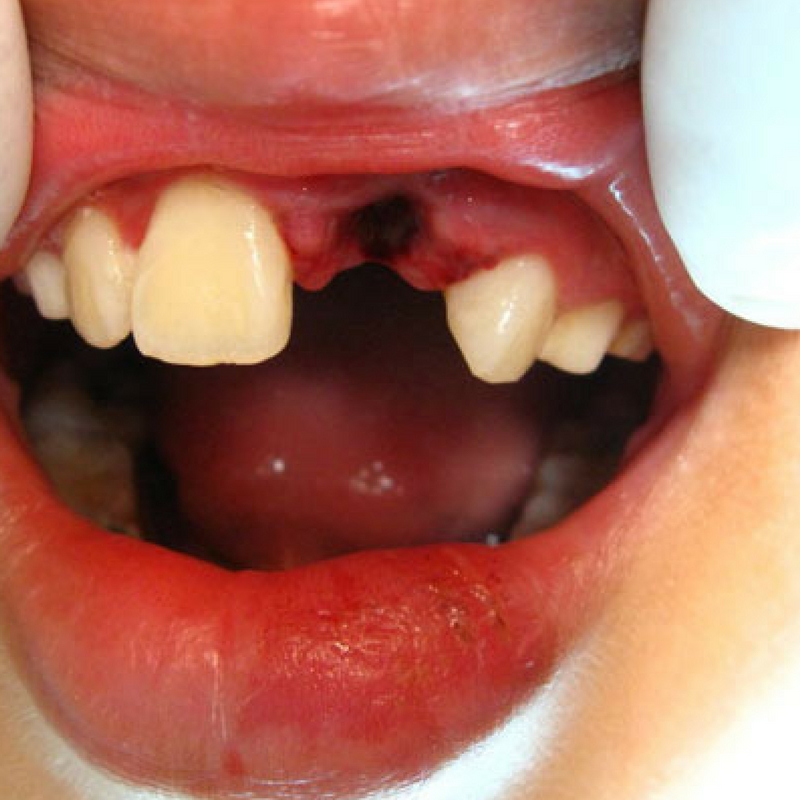
Whether it’s on the field, the court, at school, or at home, a knocked out tooth can be scary for both the child and the parent. Some of the most important steps to save a knocked out tooth are often missed due to the shock and chaos that usually unfolds following dental trauma.

At the initial time of the trauma, you should access the patient and make sure that no head or neck injury occurred during the trauma. Once head and neck injury is ruled out, then you can assess the oral cavity to see what damage has been done. If the teeth look moved out of line from their normal position DO NOT try to put them back into place! Immediately call your nearest Pediatric Dental Specialist and schedule an appointment as soon as possible.

Most Pediatric Dentists are trained on how to save a knocked out tooth. Dr. Payam Amirsayafi located in Stafford, VA happens to be a member of the Academy for Sports Dentistry, and highly trained and knowledgeable in these specific cases.  He sees patients in the surrounding areas of Woodbridge VA, Manassas VA, Quantico VA, Fredericksburg VA, and Warrenton VA.

Avulsed Tooth

save a knocked out tooth

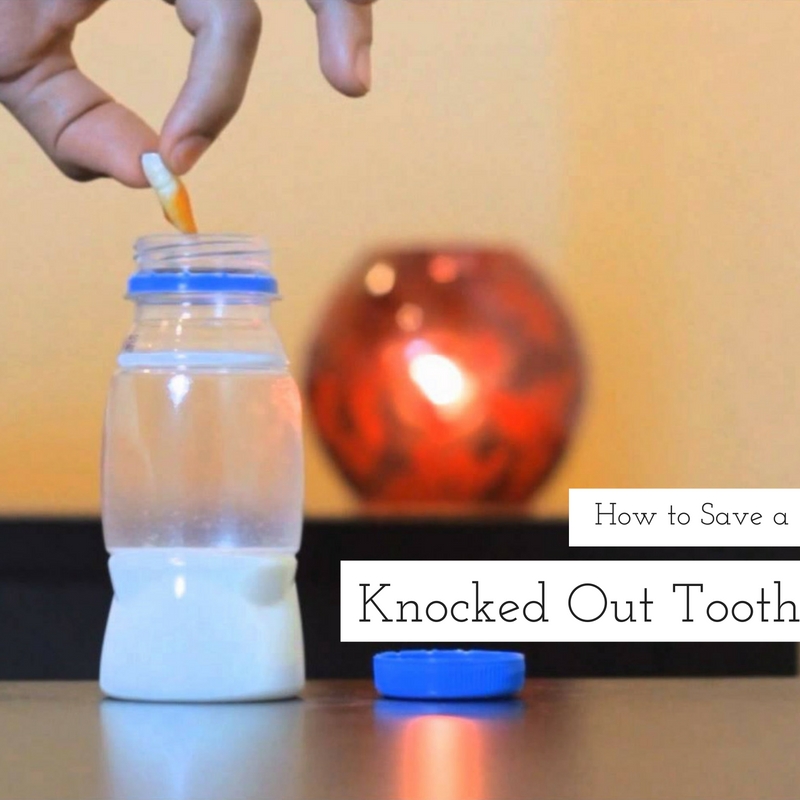
In the case of a tooth being avulsed (completely knocked out of the socket) promptly locate the avulsed tooth, and place it back in the socket immediately. If the child is not cooperative or trauma prevents re-implantation, then placing the tooth in a storage media to maintain moisture and prolong vitality to help save a knocked out tooth.

Below are some examples of storage media’s in case of an avulsed tooth in order from most recommended to least recommended:

Hank’s Balanced Salt Solution (HBSS)

The most optimum storage media that are available have been shown to be pH balanced cell preserving solutions. The best known and most extensively tested is called Hank’s Balanced Salt Solution (HBSS). It has all of the metabolites such as Ca, phosphate ions, K+ and glucose that are necessary to maintain normal cell metabolism for long periods of time. HBSS has been extensively tested in dental and medical research for the past twenty years.

Milk

Milk has been also recommended as a storage medium for avulsed teeth. Its advantage is the high availability of fresh cold whole milk. Only whole milk can be used for tooth preservation. Skim milk and heavy cream do not have the correct fluid pressure and will cause damage to the root cells. Milk has no observed regenerative properties for cells on knocked out teeth.

It was discovered 30 years ago that milk was less damaging to knocked out teeth than water or saliva. It was recommended because it has a compatible osmolality (fluid pressure) to tooth root cells and it is thought to be readily available.

Saliva

Have your child spit in a cup then placed the avulsed tooth in there. Placing the tooth under the accident victim’s tongue or in the cheek has the danger of being swallowed.

Avoid storage in water. Most cases of tooth avulsion will require root canal treatment, 7-10 days after re-implantation.

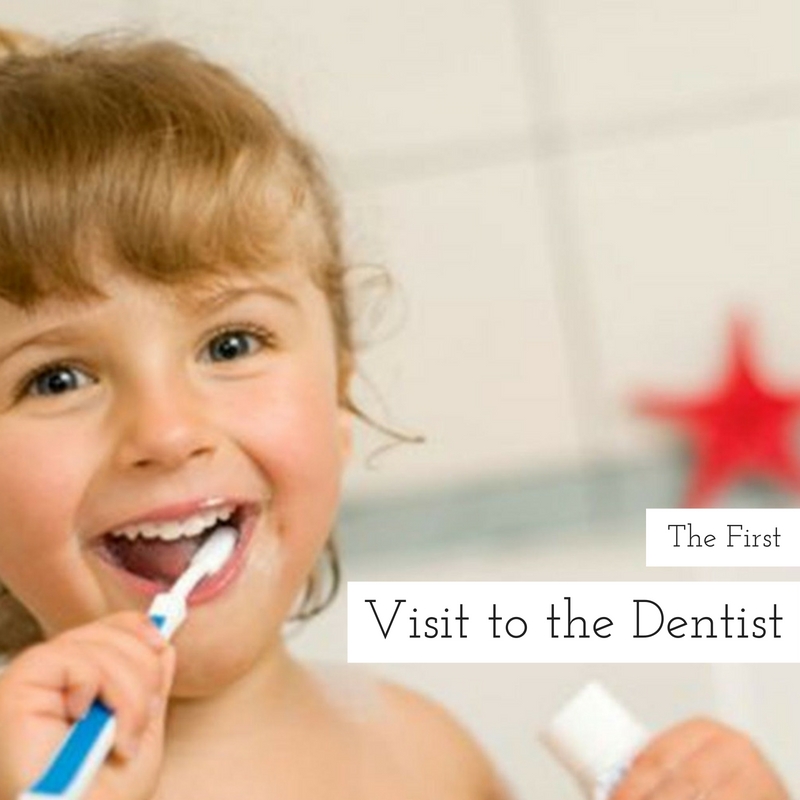
The First Visit to the Dentist

The first visit to the dentist is a big deal! Most parents usually ask, “when should my child first see the dentist?”

The First Visit to the Dentist

According to the American Academy of Pediatric Dentistry the answer is “first visit to the dentist by their first birthday.”

This may seem early to many parents, but studies have shown that kids are starting to get cavities younger; as early as age 2! Early prevention allows parents to discuss teeth and mouth care with the dentist, as well as teething and teeth milestones.

So what can you expect from the first visit to the dentist?

Meet and Greet

It is the dentist’s #1 goal to make your child feel comfortable! They will introduce themselves and explain each step of the checkup process. Some dentist even use toys, puppets or oversized toothbrushes to make it more fun!

Let’s Count

The dentist or hygienist will next put on gloves and count all the teeth in your child’s mouth. They will also take this time to examine for soft gums, bad oral habits, and their bite.

Lick and a Polish

Next, the dentist will hand over sunglasses or goggles (to protect the eyes) and clean and polish your child’s teeth. Letting them see and/or touch the brush beforehand, to ease any fears.

Final Touches

Lastly, the dentist will show the sucking straw and how it works. Then use it to remove any remaining toothpaste in your child’s mouth.

No first visit to the dentist is complete without a stop at the prize bin! Many dentists carry anything from crayons and stickers to bracelets, rings, and keychains. It helps to remind kids the dentist office is fun!

And remember… practice all the good oral care you learned from your first visit to the dentist, at home. By brushing twice a day, stopping sucking habits, and avoiding sugary, sticky snacks, your child will be on their way to a healthy smile!

Do You Need A Dentist For Toddlers?

Visit A Dentist for Toddlers

It is important for children to visit the dentist early on to make sure their baby teeth grow in healthy and cavity free.  Toddlers, from the ages of 1 to 3, are in the initial stages of tooth development, and having the proper information and check-ups is the best way to keep their growing teeth properly taken care of.  Below are a few reasons why a toddler needs to visit the dentist and why a specialized dentist for toddlers is important.  If you have an other questions or would like to schedule an appointment, contact us today!

Age 1, First Visit

dentist for toddlers

A child should make their first visit to a pediatric dentist when they turn 1.  Even if a child only has a few baby teeth at this age, cavities can still form.  Also, a dentist can provide information at this point about how to take care of a child’s teeth as they begin to grow in.

Unique Issues

dentist for toddlers

There are a number of unique dental issues that occur in a child between the ages of one to three.  Some of these include teething and early baby teeth development.  As a result of these age specific problems, a dentist with the proper experience in these areas should be used.  A regular dentist may not have as much knowledge about the early stages of a child’s teeth development as a pediatric dentist does.

Specialized Training

pediatric dentist quantico va

When bringing your toddler to a pediatric dentist, you can be sure that they will be in the best hands possible.  Pediatric dentists have not only completed dental school, but have continued to specialize further in the area of pediatric dental care.  In total, they have two extra years of schooling specifically in the area of children’s teeth development.  A pediatric dentist knows exactly how to take care of your toddler’s teeth.

Friendly Office

dentist for toddlers

A great benefit of taking your toddler to a pediatric dental office like ours is the friendly environment.  We aim to make sure that your toddler is comfortable and happy with their first few visits to the dentist so that they are not afraid in the future.  Our staff is not only well trained, but also friendly and we want you and your child to both enjoy coming to our office!

A toddler needs to be making visits to the dentist, and a regular dentist does not always have the proper training.  Stop by our office to see why Dr. Payam is the best pediatric dentist to take care of your toddler! Schedule an appointment today!

  • « Previous Page
  • 1
  • …
  • 6
  • 7
  • 8
  • 9
  • Next Page »

Contact Us

(540) 318-5577

(540) 369-6250

[email protected]

1003 Garrisonville Rd
Stafford, VA 22556

Office hours:
Monday through Thursday 8 am-6 pm
Friday 8 am-3 pm
 
Clinic hours: 
Monday through Thursday 8 am-6 pm 

Patient Guide

  • Services
  • Participating Insurance
  • New Patient Paperwork

About Us

Red Apple Pediatric Dental Team is a pediatric dental office located in Stafford, VA.  We also service the areas of Quantico, Woodbridge, Fredericksburg, Falmouth, and King George.  We specialize in dentistry just for kids! Come in and meet Dr. Payam today!

Contact Us


© Copyright 2026 Red Apple Pediatric Dental Team. Made with by Sara Chandlee